
The global rise of the work-from-anywhere trend is reshaping how organizations think about talent and travel. With the latest reports showing 18.1 million Americans now identifying as digital nomads – a 4.7% year-over-year increase – and more than 40 million people worldwide embracing the trend, the shift is undeniable.
For companies looking to attract and retain top talent, offering a hybrid work model that supports nomadic lifestyles is becoming a strategic advantage. But what happens when remote employees still need to travel for business?
This is where corporate travel managers play a critical role. As Reed & Mackay’s Global Operations Director, Tony Peckham, explains, travel managers must collaborate with HR, legal and finance teams to ensure compliance, safety and a seamless experience for mobile employees.
1) Visas
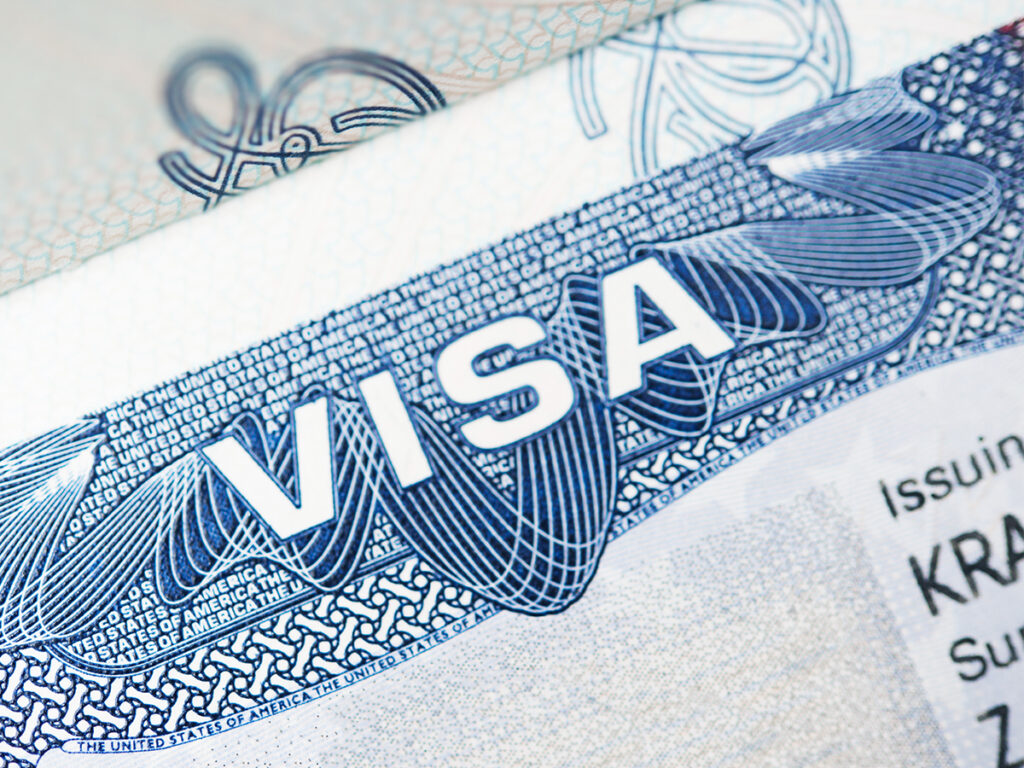
As of mid-2025, around 70 countries offer “digital nomad” visas. In general, to qualify for one of these visas (the detail of which varies from country to country), you have to be employed, usually by an international company. You also need to earn a certain amount every month.
If a US or other non-EU citizen is planning to base themselves in an EU country, however, there are other factors to consider too.
“US and non-EU passport holders have to follow the 90 days out of 180 rule for countries in the Schengen area,” Peckham says. “Traveler tracking of both business and personal trips is key. If your traveler is doing both, those days are going to add up to the maximum number allowed.”
CHECKLIST:
- Follow the 90 days in 180 days rule when staying in Schengen countries. Track combined business and personal travel days carefully
- Meet minimum monthly income requirements
- Monitor visa rules country by country
2) Health and safety
Consider which destinations the employee wants to be based in, as well as where they may have to travel to on business. Top of mind should be elements such as different climates, different governments, and different societal attitudes to what they’re used to.
“Furthermore, if an employee is working from anywhere, advise them to choose accommodations where they’re able to work properly. That means access to good internet and phone connection, proper desks and chairs, or access to office space in business suites equipped with what they need for their job,” Peckham adds.
Also bear in mind where their accommodations will be located. For short-term stays, hotels are usually chosen. But, if your traveler is staying somewhere for longer, and picks a serviced apartment or similar accomodation, consider where it’s located and if it’s in a safe destination. Safety aspects also need to be considered if you’re expecting the employee to travel to work in a local office or to see clients that aren’t based in big cities, or who are located in business parks in quieter areas.
Reed & Mackay works with risk management partners, such as Crisis24 and International SOS, to pinpoint all these aspects, including advice for solo female travelers.
CHECKLIST:
- Internet and phone connectivity
- Ergonomic workspaces (desks, chairs, office access)
- Location safety, especially for long-term stays in serviced apartments or non-central areas
- Accessibility to local offices or client sites

3) Duty of care – who is responsible?
“If the person is employed, no matter where they work, the duty of care should be the responsibility of the employee’s company,” Peckham says. “Again, this is where your travel management company (TMC), working with a risk management compan,y can advise on what protections and guidelines to put in place.
“And work alongside HR colleagues on these scenarios, including how the digital nomad will stay in touch with key colleagues. How people work is an important area to get right.”
CHECKLIST:
- Define protection protocols
- Ensure emergency support is available
- Maintain communication between remote workers and core teams
4) Complying with company culture
“For an employee who works from anywhere, yet is still traveling on business trips, that employee needs to retain the company culture mindset,” Peckham explains.
“Don’t just turn up and expect others to be in the office when you are. If you’re working from anywhere, chances are the majority of the company permits working from home.
“Make the most of traveling for meetings by ensuring either your international colleagues – or clients – will be in the office at the same time. Also, ensure you know what your international offices’ policies are. For example, can the remote worker be in the office by themselves if others aren’t?”
CHECKLIST:
- Coordinating in-office meetings with colleagues or clients
- Understanding local office policies
- Respecting hybrid norms and expectations
The work-from-anywhere movement is here to stay, and business travel must evolve with it. By addressing visas, safety, duty of care, and company culture, travel managers can help organizations support digital nomads while maintaining compliance and connection.
Interested in learning more?
Get in touch
Email [email protected] to discuss all of your corporate travel and event management needs.