
Large-scale sporting events can present challenges for corporate travel. With the FIFA World Cup 2026 set to take place across the United States, Mexico and Canada (11 June to 19 July 2026), a significant influx of visitors, combined with heightened security and increased pressure on transport and accommodation, may cause disruption in and around host cities.
For organisations managing business travel or corporate events during this period, disruption is likely. So how can you stay one step ahead and keep your travel programme running smoothly? Below are practical tips to help you navigate business travel during the FIFA World Cup 2026.
1. Use alternative transport methods
With matches spread across 16 host cities in the US, Mexico and Canada, public transport systems and road networks are expected to face sustained pressure throughout the tournament.
In major metropolitan areas such as New York/New Jersey, Los Angeles, Toronto, Mexico City and Dallas, business travellers should expect congestion around stadiums, official fan zones and city centres on match days.
Where possible, pre-book private car transfers rather than relying on taxis or ride-hailing services, which may experience limited availability and surge pricing. In some host cities, walking or cycling short distances may be faster and more reliable than public transport during peak fan movement periods, particularly around stadium areas.
2. Build flexibility into travel plans
Given the scale of the tournament and its spread across three countries, delays should be anticipated. Journeys within and between host cities may take longer than usual, especially on match days and during knockout rounds when fan volumes increase.
Cross-border travel between the US, Mexico and Canada may also be busier, with additional border checks and longer processing times possible during peak periods. Building flexibility into itineraries, including buffer time between meetings and travel connections, will help reduce disruption if delays occur.
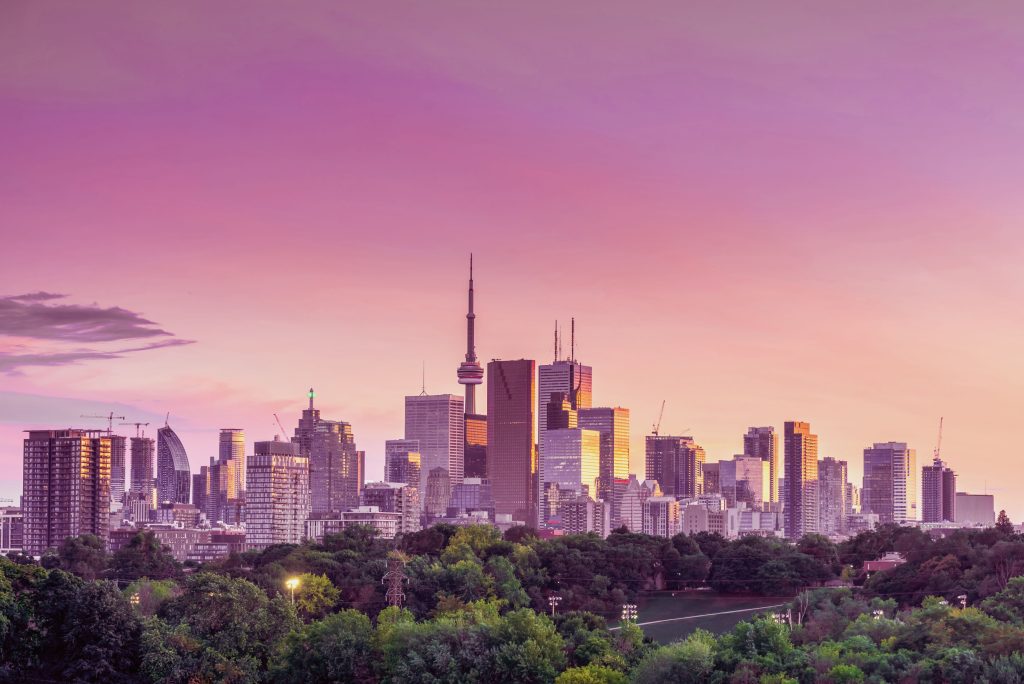
3. Avoid host cities on match days where possible
If you are travelling for business during the World Cup, consider avoiding host cities on match days, particularly areas close to stadiums and official fan zones. Public transport demand and road congestion are likely to peak several hours before and after matches.
If travel to a host city is unavoidable, review match schedules in advance, plan routes that avoid congestion hotspots and consider scheduling meetings outside peak match times to minimise disruption.
4. Consider alternative accommodation strategies
With millions of fans expected to travel across North America, hotel availability in city centres and near stadiums will be limited, with prices likely to rise significantly.
Business travellers may benefit from staying in outlying districts, suburban areas or nearby secondary cities, where demand may be lower and transport links remain reliable. In some cases, basing travellers outside host cities altogether and commuting in for meetings may be the most practical and cost-effective option.
5. Stay informed with real-time travel updates
Sign up for travel alerts from your travel management company (TMC), airlines and local transport providers in the US, Mexico and Canada. Monitoring official tournament channels, including the FIFA website and app will also help business travellers stay informed about match schedules, fan zones and city-specific advisories that could affect travel plans.
Leveraging your TMC’s traveller tracking and risk management services provides real-time visibility of disruption. Access to 24/7 incident management support can also help travellers navigate unexpected delays, security issues or transport disruptions during the tournament.
Government travel advice should also be reviewed for each destination, particularly when travelling between countries.
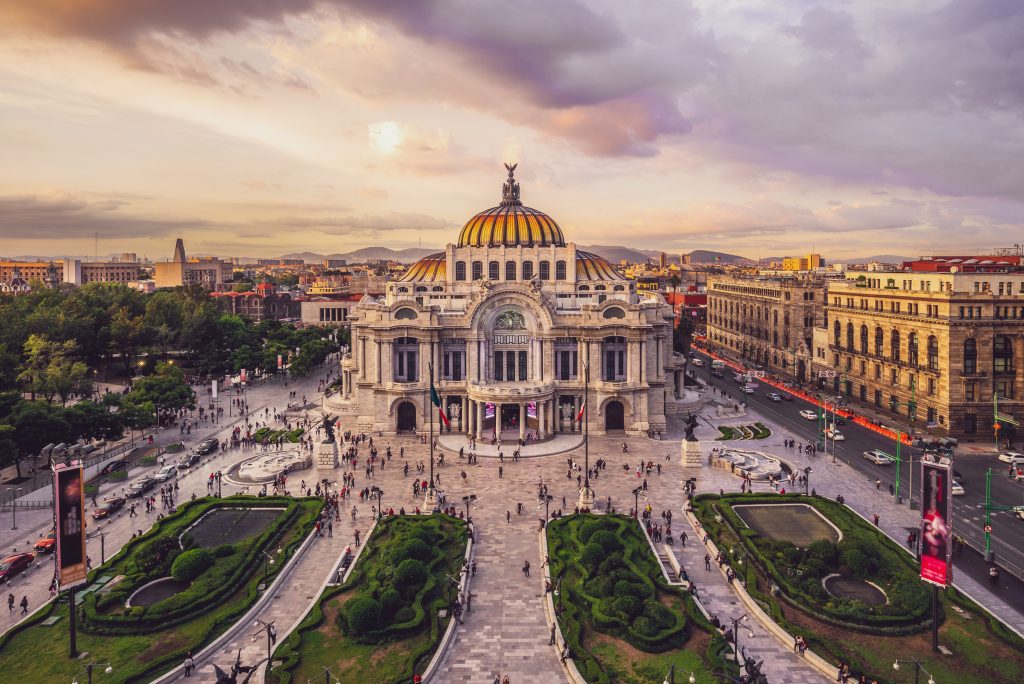
6. Prioritise health and safety
Ensure travellers have comprehensive travel insurance that covers disruption caused by major events, including delays and cancellations. Health and safety regulations may differ between the US, Mexico and Canada, so travellers should familiarise themselves with local requirements before departure.
With large international crowds expected, travellers should remain vigilant in busy public spaces and respect local laws and cultural norms in each destination. Planning ahead and staying informed will be key to keeping business travel safe and productive during the FIFA World Cup 2026.